
Chemsex Addiction Treatment
LGBTQIA+ Affirming Outpatient Care When Sex, Substance Use, and Shame Are Connected
If you’re using meth, GHB, or other substances during sex and it’s starting to feel out of control, you’re not alone. Chroma Wellness Center offers intensive LGBTQIA+ treatment in Denver for adults whose substance use is connected to sex and intimacy. Our clinicians understand what chemsex is, why it happens, and how to support healing and change without shame.

What Is Chemsex?
Chemsex is the use of drugs, most often crystal meth, GHB or GBL, and mephedrone, to start, prolong, or intensify sex. Sessions can last hours or days and often involve multiple partners and repeated dosing to keep going.
Chemsex is most common among gay, bisexual, and other men who have sex with men, but it isn’t limited to one identity. What sets it apart from recreational drug use is how closely it’s tied to sex, intimacy, and connection. That’s also why most addiction programs don’t quite know what to do with it.
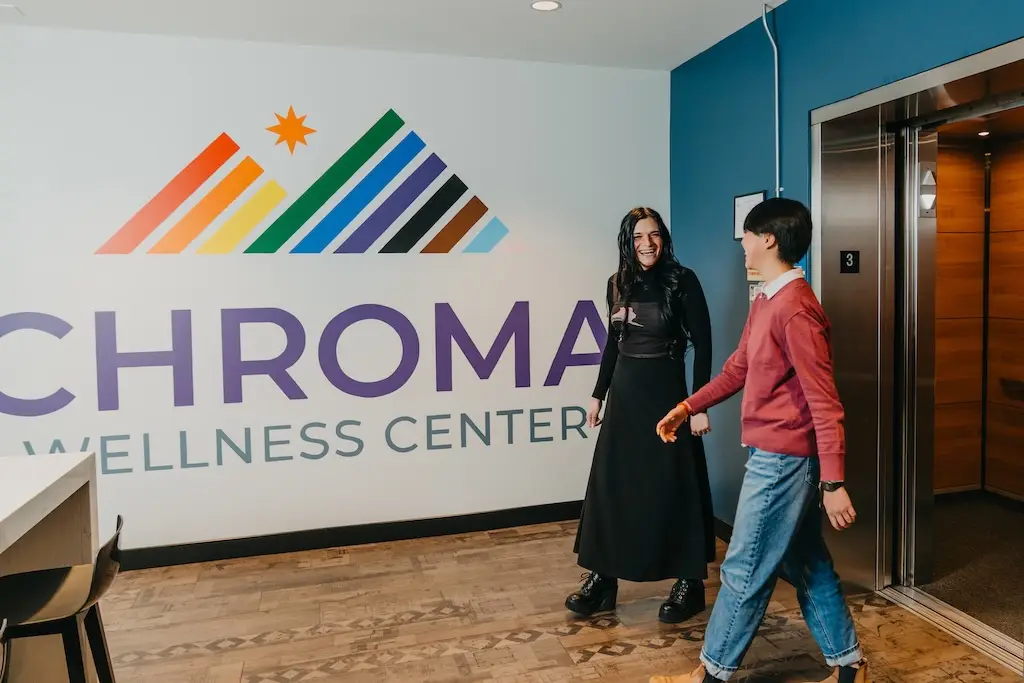
“In my clinical tenure working with queer and trans clients, I’ve seen how substance use, especially around sex, can become a way to manage trauma, loneliness, or shame. That’s why our approach is never punitive, it’s relational.”
Stephen Sbanotto, LPC, CAST-S, CMAT, RAE, therapist
Why Chemsex Calls for Affirming Care
For many clients, chemsex didn’t start as a problem. It started as a solution; a way to feel something, or to stop feeling something. When sex and substances become tied together, sober intimacy can feel impossible. That’s hard to begin healing in a space where you can’t talk openly about being queer.
Good care for chemsex looks at:
- How drugs like meth and GHB affect your brain and body
- The patterns that keep sex and substance use tied together
- The trauma and stress that often sit underneath both
- The relationships and community dynamics around use
That’s the work clients do at Chroma.
How Chroma Supports Clients Navigating Chemsex Challenges
Chemsex isn’t a separate program at Chroma. It’s a concern we treat often, within our LGBTQIA+ PHP and IOP, by clinicians trained to work at the intersection of substance use, sex, and trauma.
- A weekly Sex, Intimacy, and Healthy Relationships group for LGBTQIA+ clients to talk openly about sex, sexuality, attachment, and patterns that feel hard to break, including chemsex
- Clinical leadership from Stephen Sbanotto, LPC, CSAT-S, CMAT, a Certified Sex Addiction Therapist with 15+ years of experience in addiction, trauma, and sexual compulsivity
- Integrated psychiatric care and medication management under a board-certified medical director
- Evidence-based therapies, including EMDR, IFS, CBT, DBT, ACT, and somatic experiencing, chosen based on what fits you
- Holistic support through acupuncture, trauma-informed yoga, mindfulness, and healing arts
- LGBTQIA+ affirming housing for clients who need a safer living environment during treatment
Levels of Care for Chemsex Addiction
Program | Structure | Best For |
Full-day, multi-day-per-week programming | Clients who need significant structure to stabilize and step out of active use patterns | |
Multiple days per week, several hours each | Clients ready to integrate recovery while maintaining work, school, or other responsibilities | |
Off-site, Chroma-operated | Clients who need a safer, identity-affirming living environment during treatment |
All therapy, psychiatry, groups, and holistic services happen within PHP or IOP.

Signs Chemsex May Be Affecting You
You don’t need a crisis to reach out. Common patterns we hear from clients include:
- Sex feels disconnected or impossible without substances
- Use has been getting more frequent, more intense, or more risky
- Lost time, money, or relationships connected to chemsex sessions
- Hard crashes, anxiety, or depression after sessions
- Pulling away from friends or community who don’t use
- Sexual experiences that don’t match your values
- Worries about HIV, other STIs, or your physical health
- Tried to cut back or stop, but couldn’t make it stick
If any of this feels familiar, that’s enough to reach out.
Why Clients Trust Chroma Wellness For Healing Chemsex Addiction
- Built by and for the LGBTQIA+ community, not adapted from a mainstream program
- Specialized clinicians trained in sex addiction, trauma, and substance use
- Integrated psychiatric care under a board-certified medical director
- PHP and IOP as structured pathways, with affirming housing available
- Denver-based, serving the Front Range and clients relocating for care

Your Healing Starts Here
At Chroma Wellness, we know chemsex often lives alongside trauma, identity, shame, and the search for connection. Our LGBTQIA+ clinicians are trained to hold all of this, with care that’s warm, clinically grounded, and built for the community we serve. If chemsex is starting to affect your health, your relationships, or how you feel about yourself, or if you’re worried about someone you love, we’re here to help you take the next step.
Call (720) 410-5569 or verify your insurance to begin the conversation.
Frequently Asked Questions (FAQs)
What is chemsex addiction?
Chemsex addiction is a pattern where substances and sex have become so tightly linked that the behavior continues despite clear negative consequences and feels difficult to stop [1][3]. The drugs most commonly involved, including crystal meth, GHB/GBL, and synthetic cathinones, are addictive on their own, and the link to sex can intensify how entrenched the pattern becomes.
What are the long-term effects of chemsex on the body and mind?
Long-term effects can include cardiovascular strain, neurological impact from repeated stimulant use, sleep disruption, and elevated rates of STI, HIV, and HCV transmission. Psychologically, repeated “crash” cycles often contribute to depression, anxiety, cognitive issues, and isolation over time.
Does Chroma have a chemsex-specific program?
No. Chroma treats clients navigating chemsex within our LGBTQIA+ PHP and IOP programs. We have a dedicated weekly Sex, Intimacy, and Healthy Relationships group and clinicians trained in sex addiction and substance use. The clinical work is specialized; the program structure is integrated.
What kind of treatment actually works for chemsex?
Integrated care tends to work best, meaning substance use, sexual health, mental health, and identity are addressed together rather than handed off between providers. Structured outpatient programs like PHP and IOP typically combine individual therapy, group work, psychiatric care, and trauma-focused support.
Why does LGBTQIA+ specific care matter for chemsex treatment?
Specialized care matters because chemsex is shaped by cultural and social dynamics specific to LGBTQIA+ communities, including minority stress, internalized stigma, and healthcare experiences that haven’t always felt safe. Treatment built around those realities tends to be more effective than generic substance use care that overlooks them.
How do I know if chemsex has become a problem for me?
Some signals are external, like chemsex interfering with work, relationships, physical health, or feeling impossible to stop. Others are internal, like longer or more frequent sessions, harder recoveries, or building shame and isolation.
Does insurance cover treatment at Chroma?
Many of our clients use insurance to help cover treatment. The best next step is a quick, confidential conversation with our admissions team. We’ll verify your benefits and walk you through what to expect for your specific situation.
Is treatment confidential?
Yes. All conversations, assessments, and treatment are protected under HIPAA and Chroma’s confidentiality policies.
Start Where You Are
You don’t have to wait for a crisis. If you’re questioning your relationship with sex and substance use, or if drugs or alcohol have started to interfere with your life, we’re here to help. Many of our clients come to us unsure, but leave feeling more grounded, clear, and connected.
Call 720-410-5569 or fill out our confidential consultation form to take the first step.
Healing is possible, and you deserve care that sees the full picture of who you are.